
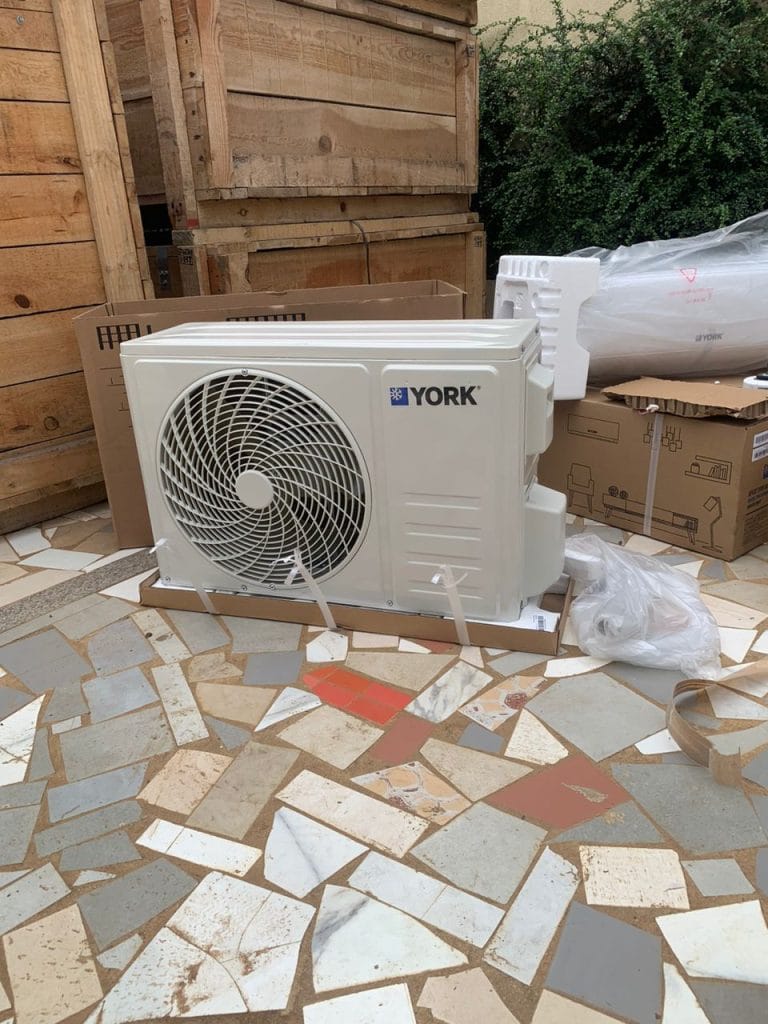
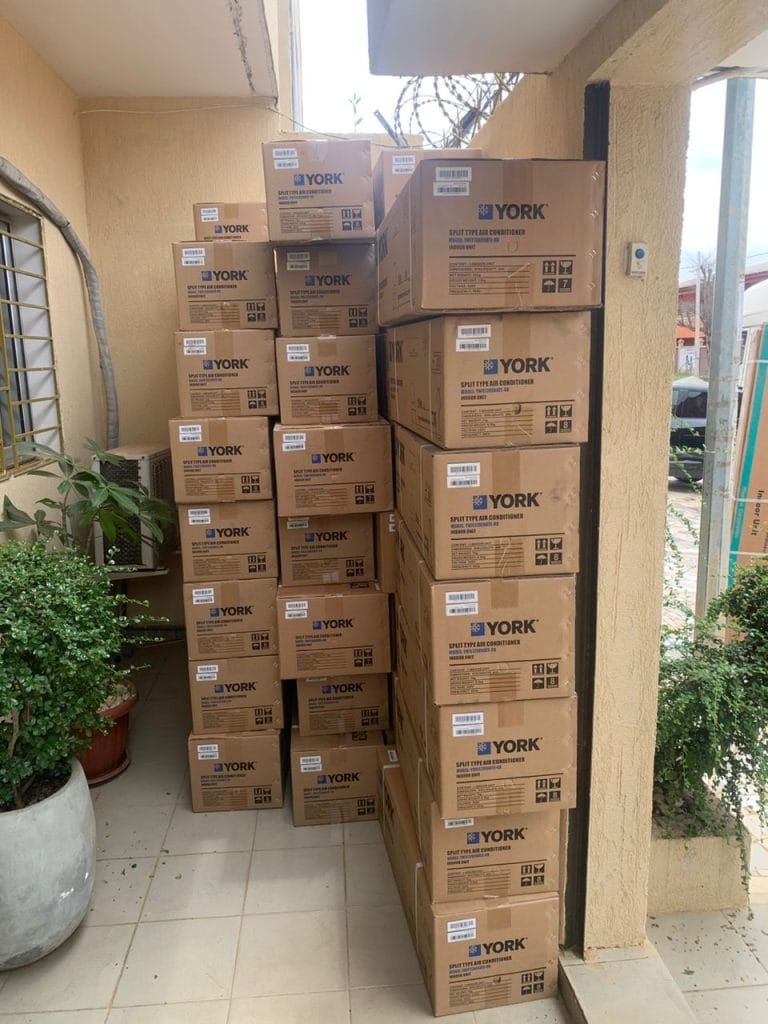
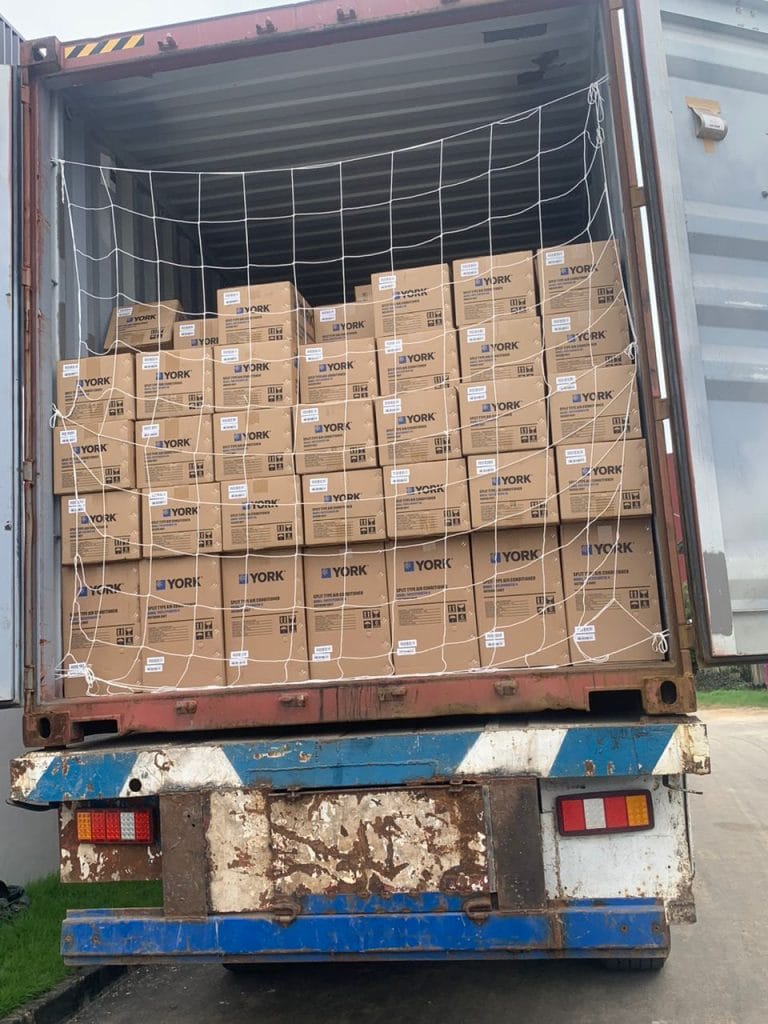
Importation de Matériels Électroménagers
Importing household appliances offers considerable opportunities for distributors and retailers looking to expand their product range. However, the market is subject to strict regulations and fluctuating trends, which it is essential to understand if you are to succeed in this sector.
**New Opportunities
1. **Growing demand for energy-efficient appliances**.
Growing environmental awareness is driving demand for energy-efficient household appliances. Energy Star certified or equivalent products are particularly sought after by consumers keen to reduce their carbon footprint and energy bills.
2. **Technological Advancement
Technological innovation is a key driver in the household appliances sector. Intelligent appliances, connected via the Internet of Things (IoT), enable remote management and integration into smart homes. These technologies offer a competitive advantage and attract a technophile customer base.
3. **Expansion of Emerging Markets**.
Emerging markets present expansion opportunities for distributors of household appliances. Rising living standards and rapid urbanisation in regions such as South-East Asia and Africa are stimulating demand for modern, quality appliances.
**Regulations and Compliance
1. **Safety Standards
Imported household appliances must comply with local and international safety standards. For example, products must be certified by bodies such as Underwriters Laboratories (UL) in the United States or bear the CE mark in Europe. These certifications guarantee that appliances meet electrical and mechanical safety requirements.
2. **Environmental restrictions
Environmental regulations, such as the RoHS (Restriction of Hazardous Substances) directive in Europe, impose strict limits on the use of certain hazardous substances in household appliances. Importers must ensure that their products comply with these regulations to avoid penalties and sales bans.
3. **Labelling and Consumer Information**.
Labelling laws require household appliances to clearly display information such as energy consumption, noise levels and capacities. This information must be accurate and easy to understand to help consumers make informed choices.
**Key Steps for Importing Household Appliances** (in French)
1. **Search for Reliable Suppliers**.
Identify and establish relationships with reliable suppliers who comply with quality standards and international regulations. Attending trade shows and fairs can be an excellent way to meet potential partners.
2. **Logistics and Customs Management**.
Ensure that all import documents are in order, including certificates of conformity, commercial invoices and packing lists. Efficient logistics management, including choosing reliable carriers and optimising transport routes, is crucial to minimising lead times and costs.
3. **Marketing strategy**.
Develop a strong go-to-market strategy that includes competitive pricing, product promotion and after-sales support. Use the appropriate distribution channels, whether physical shops, online platforms or partnerships with local retailers.
**Conclusion**
Importing household appliances can be a lucrative business if it is managed strategically and complies with current regulations. By keeping abreast of market trends and legal requirements, importers can seize opportunities for growth while minimising risk.
Customized logistics, our expertise