
Importing coconuts is a lucrative business that meets a growing demand for by-products such as coconut water, coconut oil and shredded coconut. However, this activity requires a thorough understanding of trade regulations, market trends and best logistical practices.
**Market Opportunities
1. **Growing demand for health and well-being products**.
Coconut products are growing in popularity, mainly because of their health benefits. Coconut oil, coconut water and shredded coconut are widely used in healthy diets and personal care products.
2. **Food and Cosmetics** industry
Coconut and its derivatives are popular ingredients in the food industry for gluten-free, vegan and vegetarian products. In the cosmetics industry, coconut oil is used in a variety of skin and hair care products.
3. **Innovative Products
Innovation in coconut-based products, such as dried coconut snacks, coconut yoghurts and culinary creams, is opening up new market opportunities. Consumers are constantly looking for new and interesting coconut products.
**Regulations and Compliance
1. **Sanitary and Phytosanitary Standards**.
Imported coconuts must comply with the importing country's sanitary and phytosanitary standards. This includes inspections to ensure that they are free from pests, diseases and contaminants. Phytosanitary certificates are often required for imports.
2. **Food Regulations
Coconut products must comply with local food regulations, including food safety and labelling standards. Importers must ensure that products are correctly labelled with information on ingredients, allergens and nutritional values.
3. **Customs Regulations and Documentation**.
Importing coconuts requires careful management of customs documentation, including certificates of origin, commercial invoices, packing lists and import permits. Compliance with the importing country's customs regulations is essential to avoid delays and penalties.
**Key Steps for Importing Coconuts** (in French)
1. **Selection of Reliable Suppliers**.
Identify reputable suppliers in coconut-producing countries such as the Philippines, Indonesia, India and Sri Lanka. Assess their ability to supply high-quality products and meet delivery deadlines.
2. **Logistics Management
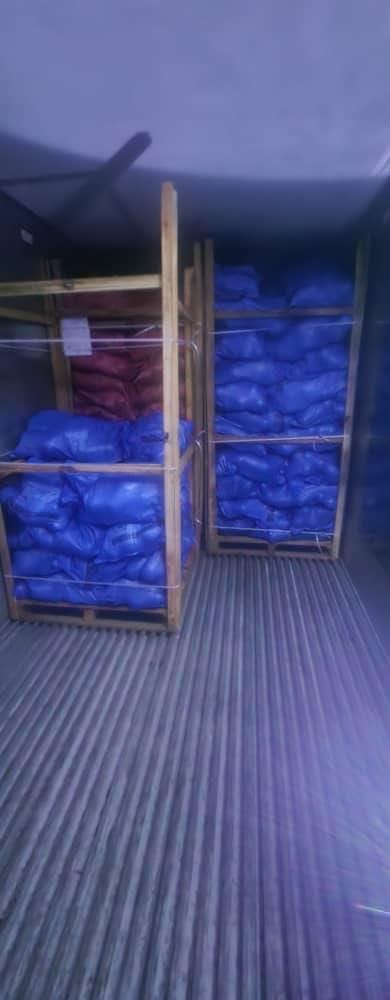
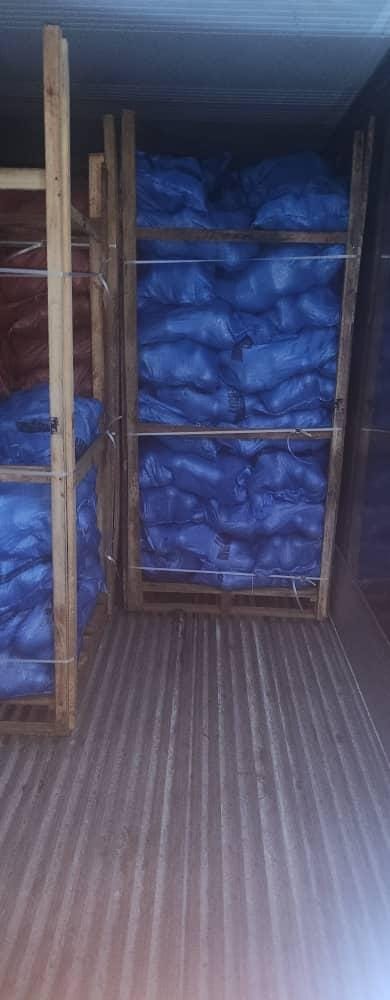
Plan transport logistics to ensure fast, efficient delivery. Fresh coconuts require specific transport conditions to maintain their freshness, while processed products may have different transport requirements.
3. **Sanitary and Phytosanitary Compliance**.
Make sure that all imported coconuts comply with the importing country's sanitary and phytosanitary standards. Work with the local authorities to obtain the necessary certificates and carry out the required inspections.
4. **Labelling and Packaging
Ensure that all coconut products are correctly labelled in accordance with local regulations. Packaging must also be designed to protect products during transport and attract consumers to shop shelves.
5. **Marketing strategy**.
Develop an effective marketing strategy to promote coconut products. Use appropriate distribution channels, including retail shops, online platforms and niche markets such as organic shops and health food shops.
**Conclusion**
Coconut imports offer significant opportunities in the food and cosmetics sectors, responding to growing demand for natural, healthy products. By complying with current regulations and adopting best logistical practices, importers can maximise the benefits of their investments and meet consumer expectations in terms of quality and sustainability.
Customized logistics, our expertise