
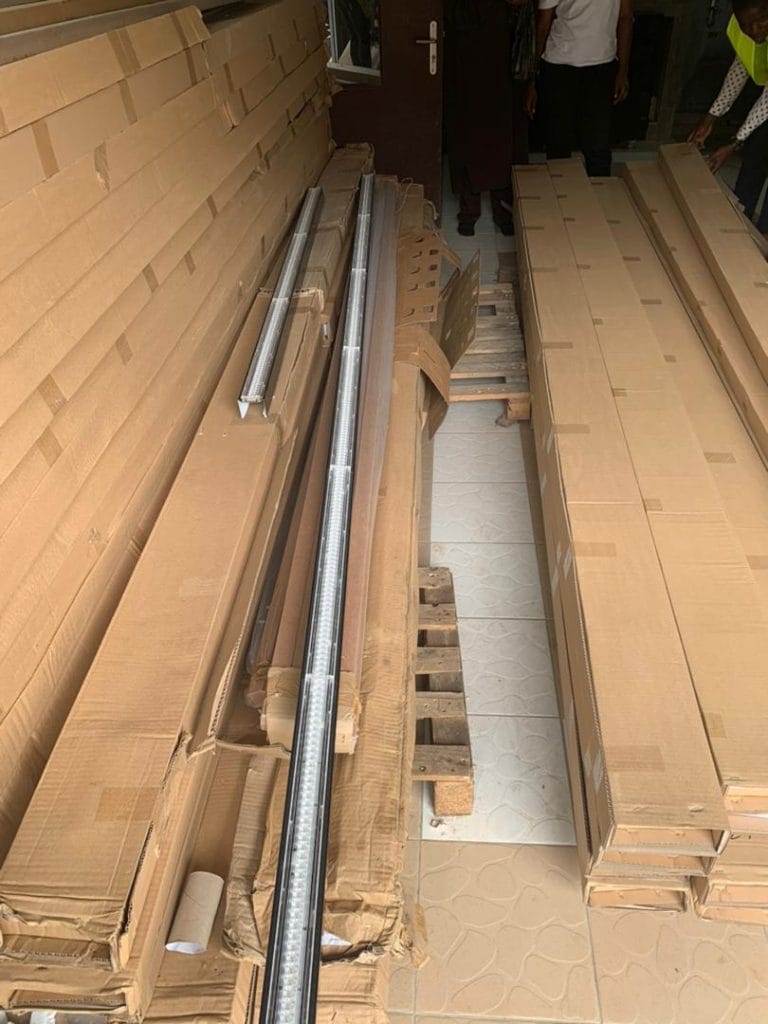

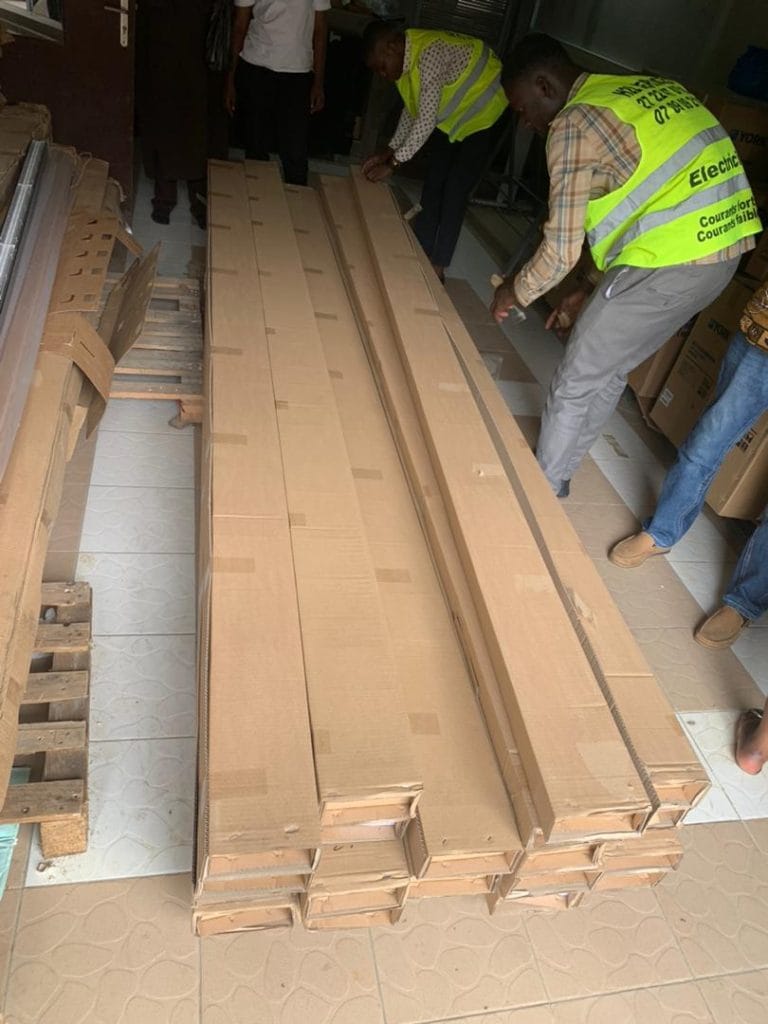
Importing electrical supplies is crucial to meeting the growing demand for electrical infrastructure, consumer products and industrial equipment. This business, while promising, requires a thorough understanding of regulations, market trends and logistical best practice to ensure success.
**Market Opportunities
1. **Infrastructure growth
The modernisation and expansion of electrical infrastructures in both developing and developed countries is driving demand for electrical equipment. Construction projects for smart grids, power plants and industrial facilities require a wide range of electrical products.
2. **Renewable Energy
The transition to renewable energies, such as solar and wind power, is increasing demand for specific electrical equipment, such as solar panels, inverters and energy storage systems. Importers can capitalise on this trend by providing solutions tailored to the needs of green energy projects.
3. **Advanced Technology and Home Automation**.
The rise of home automation and advanced technologies, such as connected appliances and automation systems, is opening up new opportunities for imports of innovative electrical equipment. Consumers are looking for intelligent solutions to improve energy efficiency and comfort in their homes and offices.
**Regulations and Compliance
1. **Safety Standards and Certification
Electrical equipment must comply with rigorous safety standards to prevent the risk of fire, electric shock and other hazards. Certifications such as CE (Conformité Européenne), UL (Underwriters Laboratories) and CSA (Canadian Standards Association) are essential to ensure that products meet international safety standards.
2. **Environmental guidelines
Environmental regulations, such as the RoHS (Restriction of Hazardous Substances) directive in Europe, impose restrictions on the use of hazardous substances in electrical equipment. Importers must ensure that their products comply with these regulations to avoid penalties and bans on sales.
3. **Customs Regulations and Documentation**.
Importing electrical equipment means complying with customs regulations specific to each country. Documents required include certificates of origin, commercial invoices, packing lists and import permits. Effective documentation management is crucial to avoid delays and additional costs.
**Key steps for importing electrical equipment** (in French)
1. **Selection of Reliable Suppliers**.
Identify suppliers with an established reputation for supplying high-quality electrical equipment. Assess their track record, certifications and ability to provide technical support and after-sales maintenance.
2. **Cost analysis
Carry out a detailed cost analysis, including purchase, transport, customs, installation and maintenance costs. Take account of exchange rate fluctuations and potential costs associated with regulatory compliance.
3. **Logistics Management
Optimise logistics by choosing reliable carriers and carefully planning shipping routes. Use efficient customs clearance services to minimise border delays and ensure fast, secure delivery.
4. **Compliance and Certification
Assurez vous que tous les produits importés respectent les normes de sécurité et les directives environnementales en vigueur. Collaborez avec des organismes de certification pour obtenir les approbations nécessaires avant l’importation.
5. **Implementation strategy**.
Develop a clear implementation strategy, including installation, operator training, and integration of electrical equipment into existing systems. Plan tests and adjustments to ensure optimum performance.
**Conclusion**
Importing electrical equipment offers considerable opportunities to meet the growing need for electrical infrastructure and advanced technologies. By following best practice and keeping abreast of current regulations, importers can maximise the benefits of their investments and contribute to economic growth and technological innovation.
Customized logistics, our expertise