
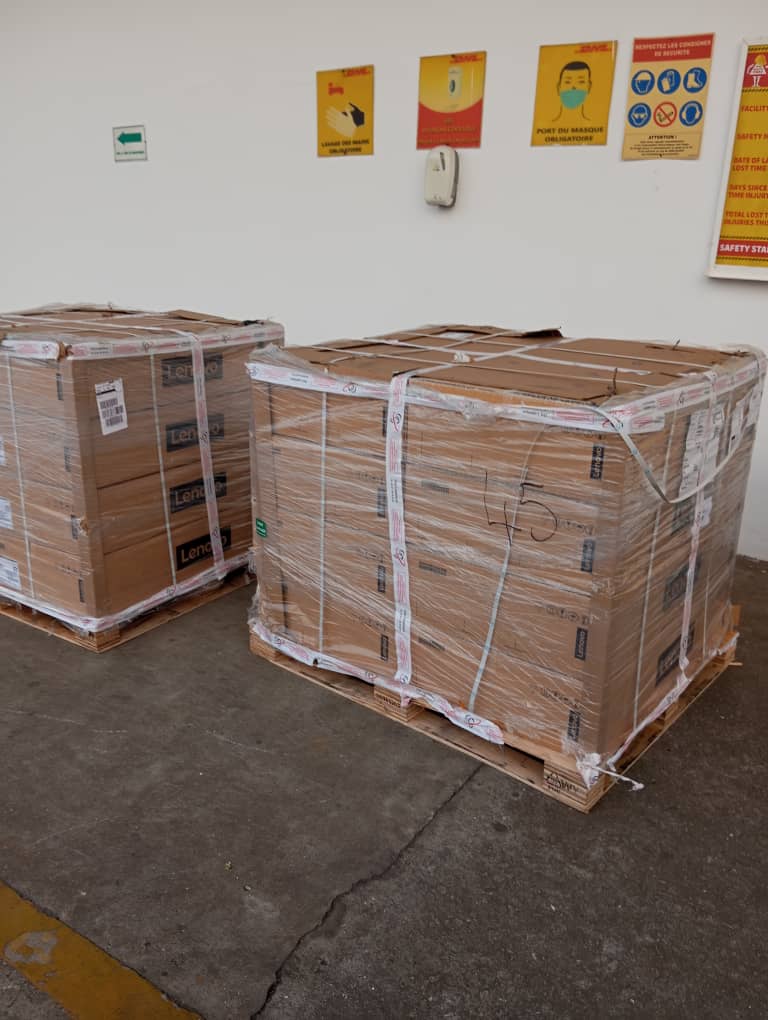
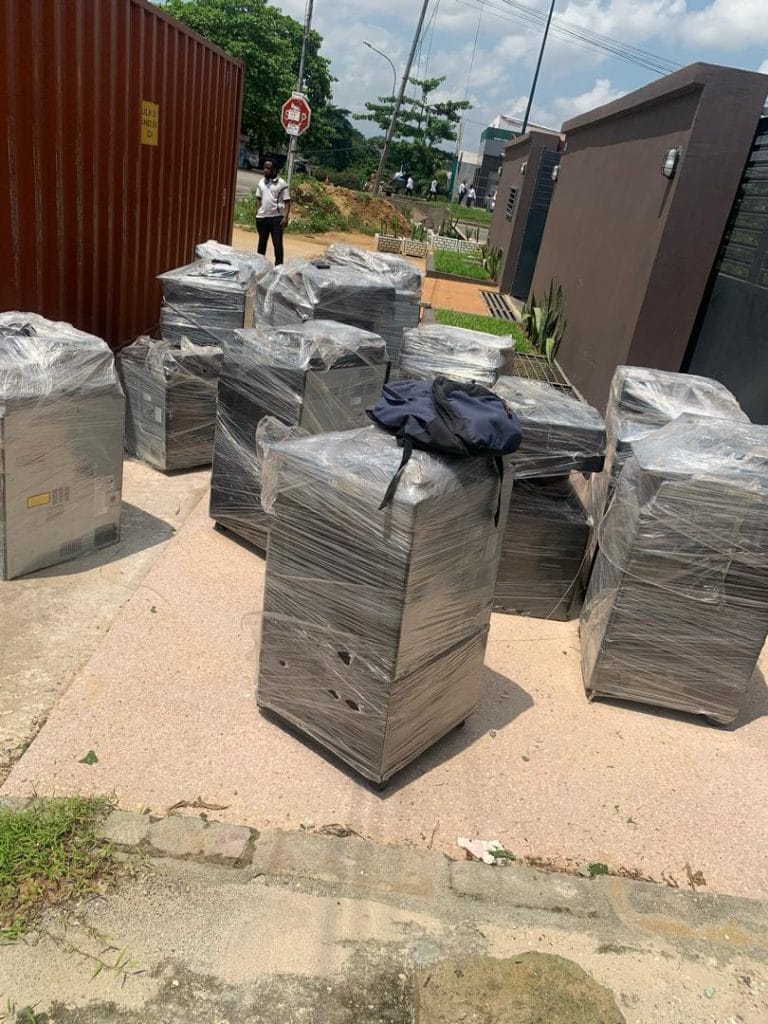
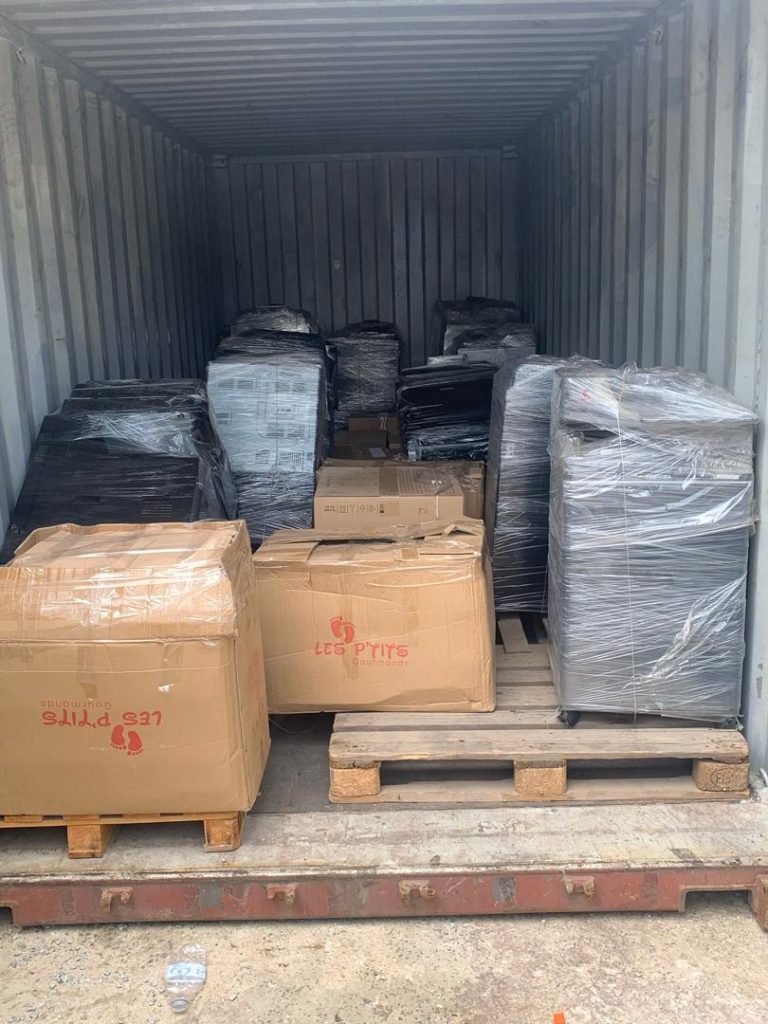
Importing IT equipment is a crucial business to meet the growing demand for technology equipment in both the professional and personal sectors. This business requires a thorough understanding of trade regulations, market trends, and logistical best practices to ensure success.
**Market Opportunities
1. **Growth in digitisation**.
The increasing digitalisation of businesses and institutions is driving demand for IT hardware, including computers, servers, peripherals and network solutions. Companies are looking to modernise their IT infrastructures to stay competitive.
2. **Education and Teleworking
The rise of online education and teleworking has considerably increased demand for laptops, tablets and communications equipment. This trend offers significant opportunities for IT hardware imports.
3. **Technological Innovation
Rapid innovation in the technology sector, with advances in artificial intelligence, virtual and augmented reality, and IoT (Internet of Things), is creating demand for advanced computer hardware. Importers can benefit from the commercialisation of these emerging technologies.
**Regulations and Compliance
1. **Safety Standards and Certification
IT equipment must comply with strict safety standards to guarantee its safety and performance. Certifications such as CE (Conformité Européenne), FCC (Federal Communications Commission) in the USA, and UL (Underwriters Laboratories) are often required.
2. **Environmental guidelines
Environmental regulations such as RoHS (Restriction of Hazardous Substances) and REACH (Registration, Evaluation, Authorisation and Restriction of Chemicals) in Europe impose restrictions on the use of hazardous substances in IT equipment. Importers must ensure that their products comply with these regulations.
3. **Customs Regulations and Documentation**.
Importing IT equipment involves rigorous management of customs documentation, including certificates of origin, commercial invoices, packing lists and import permits. Compliance with the importing country's customs regulations is essential to avoid delays and penalties.
**Key steps for importing IT equipment** (in French)
1. **Selection of Reliable Suppliers**.
Identify reputable suppliers in hardware-producing countries such as China, Taiwan and the United States. Assess their ability to supply high-quality products, their compliance with international standards, and their reliability in terms of delivery.
2. **Cost analysis
Carry out a detailed cost analysis, including purchase, transport, customs, installation and maintenance costs. Take account of exchange rate fluctuations and potential costs associated with regulatory compliance.
3. **Logistics Management
Plan transport logistics to ensure fast, efficient delivery. IT equipment requires specific transport conditions to avoid damage and malfunctions. Use efficient customs clearance services to minimise delays at the border.
4. **Compliance and Certification
Ensure that all imported products comply with current safety standards and environmental directives. Work with certification bodies to obtain the necessary approvals before importing.
5. **Labelling and Packaging
Ensure that all IT products are correctly labelled in accordance with local regulations. Packaging must be designed to protect products during transport and attract consumers to shop shelves.
6. **Marketing strategy**.
Develop an effective marketing strategy to promote IT products. Use appropriate distribution channels, including retail shops, online platforms and specialist resellers. Plan marketing campaigns to make consumers aware of the new products.
**Conclusion**
Importing IT equipment offers significant opportunities to meet the growing demand for cutting-edge technology. By complying with current regulations and adopting best logistical practices, importers can maximise the benefits of their investments and meet consumer expectations in terms of quality and performance.
Customized logistics, our expertise